Welcome to blog



James is a seasoned executive coach with over 20 years of experience in human resources, leadership, and talent strategy. Known for his dynamic, people-centered approach, he helps leaders and teams unlock their full potential through tailored coaching sessions focused on emotional intelligence, strategic vision, and personal growth.
Schedule a ConsultationIntroduction
Artificial Intelligence (AI) has revolutionized many fields, and coaching is no exception. From AI-powered chatbots and scheduling tools to data-driven insights that help track client progress, technology is offering new ways for coaches to enhance their practices. Yet, the question remains: can AI really complement human coaching, or does it risk diminishing the human connection that makes coaching effective? In this post, we’ll explore the transformative potential of AI in coaching, its benefits and challenges, and how coaches can strike a balance between technology and empathy.
AI tools in coaching range from basic automation to sophisticated machine learning algorithms. At its core, AI can handle repetitive tasks—like scheduling, sending reminders, and organizing client data—thereby saving coaches valuable time. But AI also offers advanced capabilities, like sentiment analysis and predictive analytics, to help coaches understand client emotions and predict challenges. For instance, an AI tool could analyze a client’s language patterns and reveal shifts in mood, which coaches can use to address underlying issues in their sessions.
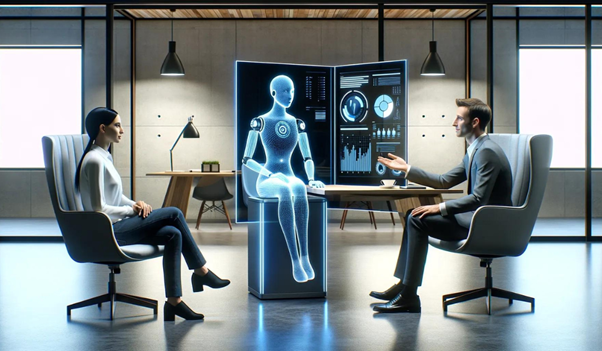
Example: Imagine a scenario where an AI-powered dashboard allows a coach to track a client’s engagement over time. If the client’s sentiment shifts from positive to negative, the coach can address it proactively, fostering a more client-centered and responsive approach.


While AI is a powerful tool, it’s essential to use it as a support, not a replacement. Coaches can leverage AI for logistical and analytical purposes while reserving the human elements of coaching—such as active listening, empathy, and intuition—for face-to-face or virtual sessions. One way to integrate AI without losing the human touch is to use it for session preparation, analyzing progress trends, and generating prompts that lead to deeper discussions with clients.
AI brings exciting possibilities to the coaching field, offering tools that can streamline work and provide valuable insights. But at its heart, coaching is about human connection, trust, and empathy. AI should be seen as a support that empowers coaches to deliver more value to clients. By integrating AI thoughtfully and maintaining a client-centered approach, coaches can create a balanced practice that enhances—not replaces—the personal connection clients rely on.