Welcome to blog
Working time:
Sunday - Friday: 9 AM – 5 PM-
Saturday: 10 AM – 2 PM
Call for free consultation: 0097466546110



James | Executive Coach & Talent Strategist
James is a seasoned executive coach with over 20 years of experience in human resources, leadership, and talent strategy. Known for his dynamic, people-centered approach, he helps leaders and teams unlock their full potential through tailored coaching sessions focused on emotional intelligence, strategic vision, and personal growth.
Schedule a ConsultationContact Info
- 905 office, Capital Golden Tower, Business Bay, Dubai, UAE.
- 0097466546110
- 9one1consultancy@gmail.com
- Week Days: 09.00 to 18. 00 Sunday: Closed
The shift to remote coaching, accelerated by the pandemic, has opened up new possibilities for client engagement. Coaches now have the flexibility to connect with clients across the globe, broadening their reach and eliminating geographical limitations. However, remote coaching also comes with its own set of challenges, such as maintaining engagement, combating "Zoom fatigue," and establishing a sense of connection in a virtual environment. In this post, we’ll look at the best practices to make virtual coaching effective, engaging, and impactful.
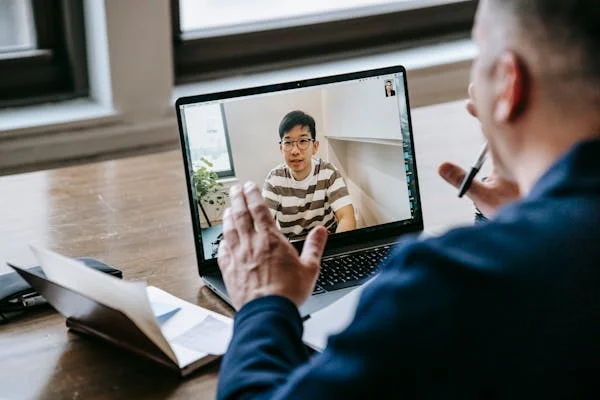
Preparing for Virtual Sessions
Technical Setup: The foundation of effective virtual coaching is a reliable setup. Invest in a quality microphone, webcam, and lighting to ensure you look and sound professional. Clear audio and video create a sense of presence and help clients feel valued and respected.
Example: Poor lighting can make sessions feel impersonal, while good lighting and audio can establish a professional atmosphere, encouraging clients to take sessions seriously.

Creating a Distraction-Free Environment: Encourage clients to also set up a private, quiet space for sessions. When both parties minimize distractions, sessions are more focused, and engagement improves.
Building and Maintaining Engagement
Use Non-Verbal Communication: In a virtual setting, it’s important to make non-verbal cues clear, as physical presence is lacking. Using gestures like nodding, smiling, and maintaining eye contact can help reinforce attentiveness.
Tip: Don’t be afraid to over-communicate your attentiveness. Mirroring client expressions and nodding affirmatively shows that you’re actively engaged.
"Success is not the key to happiness. Happiness is the key to success. If you love what you are doing, you will be successful."Albert Schweitzer
Leverage Interactive Tools: Platforms like Miro, Zoom polls, and breakout rooms help create a more engaging experience. A virtual whiteboard can be used for goal visualization, while screen sharing allows collaborative work on action plans.
Example: Use Miro to map out client goals, creating a visual action plan that feels collaborative and interactive.
Avoiding Zoom Fatigue: Recognize that screen fatigue is real. Break up longer sessions with quick pauses or shorter activities. Alternatively, consider offering more frequent, shorter sessions to keep clients refreshed and focused.
Leveraging Digital Tools to Enhance Interaction
Goal-Tracking Platforms: Apps like Asana, Trello, or Google Keep can be used for goal-setting and tracking. This enables clients to visualize their progress and keeps them accountable outside of sessions.
Example: Using Asana to map out each step toward a major goal provides a visual reminder of their journey, reinforcing motivation and accountability.
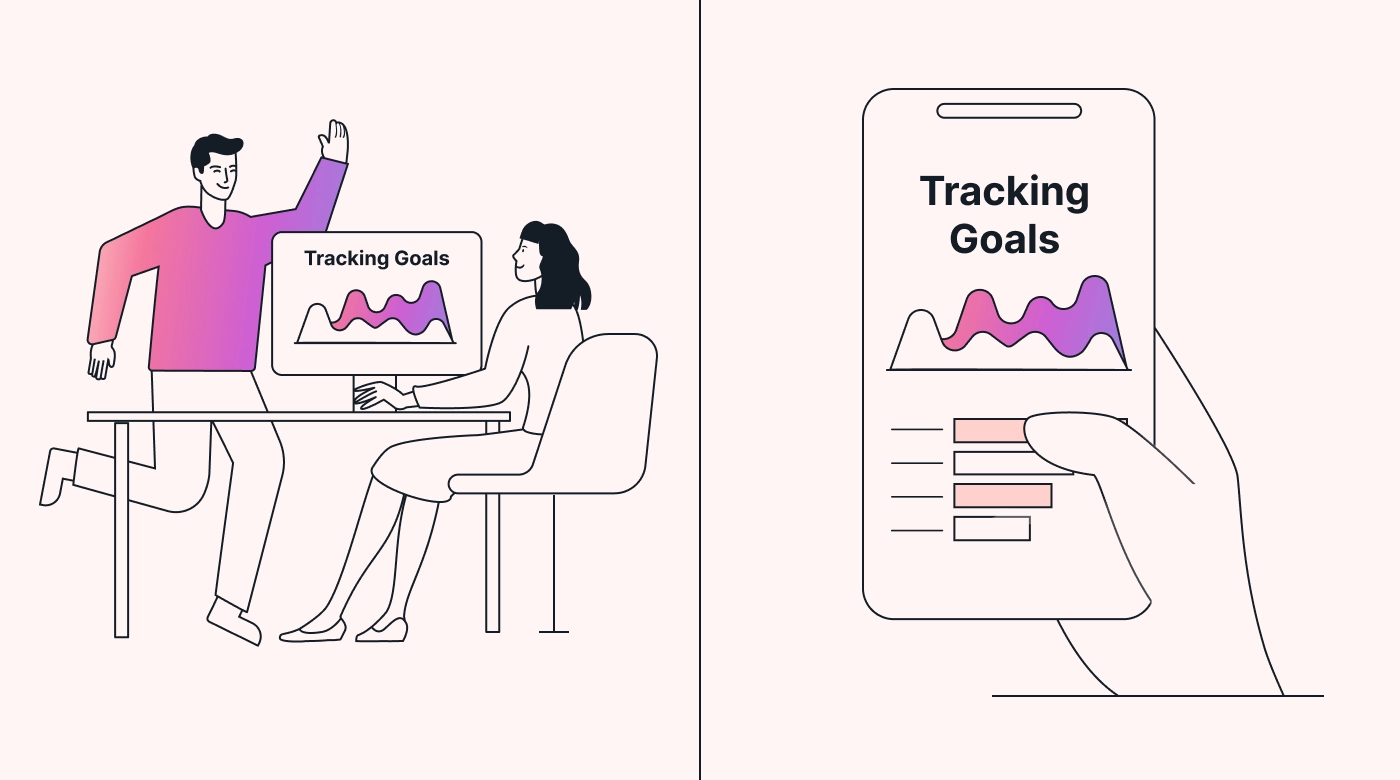
Accountability Tools: Digital trackers and apps that support accountability help clients stay engaged between sessions. For group coaching, breakout rooms allow clients to work in pairs or small groups, which can foster a sense of community and encourage active participation.
Maintaining Client Accountability and Motivation Remotely
Accountability in virtual coaching can be maintained through regular check-ins, tracking milestones, and offering personalized follow-ups. A tool like Habitica or a shared digital calendar can help clients monitor their progress and take responsibility for their goals.
Setting Specific Goals: Encourage clients to set specific, achievable goals with clear deadlines. Breaking goals into manageable steps prevents them from feeling overwhelmed.
Celebrating Small Wins: Regularly celebrate small achievements to reinforce positive behavior. Clients will feel more motivated when they see tangible progress, even if it’s incremental.

Conclusion
Remote coaching offers unique opportunities for flexibility and accessibility, but it requires creativity and intentionality to make sessions effective. By preparing thoughtfully, using engaging tools, and keeping sessions dynamic, coaches can foster strong client relationships and achieve impactful results—even from afar.